Licensed waste carrier advice for Paddington removals
Posted on 05/07/2026
If you are planning a move in Paddington, there is a good chance the part nobody talks about is the waste. Old furniture, broken appliances, bags of sorting clutter, renovation offcuts, last-minute bin overflow - it all has to go somewhere. And that is where licensed waste carrier advice for Paddington removals really matters. Choose the wrong handler and you can end up with messy delays, awkward liability questions, or worse, your rubbish dumped somewhere it should never have been. To be fair, that is not the sort of stress anyone needs on moving day.
This guide breaks the process down in plain English. You will learn what a licensed waste carrier actually does, why it matters in Paddington specifically, how to check whether a removal service is doing things properly, and how to avoid the classic mistakes that trip people up. If you are moving a flat, clearing a house, emptying an office, or dealing with bulky items after a renovation, this is the practical version - no fluff, no jargon, just useful advice.
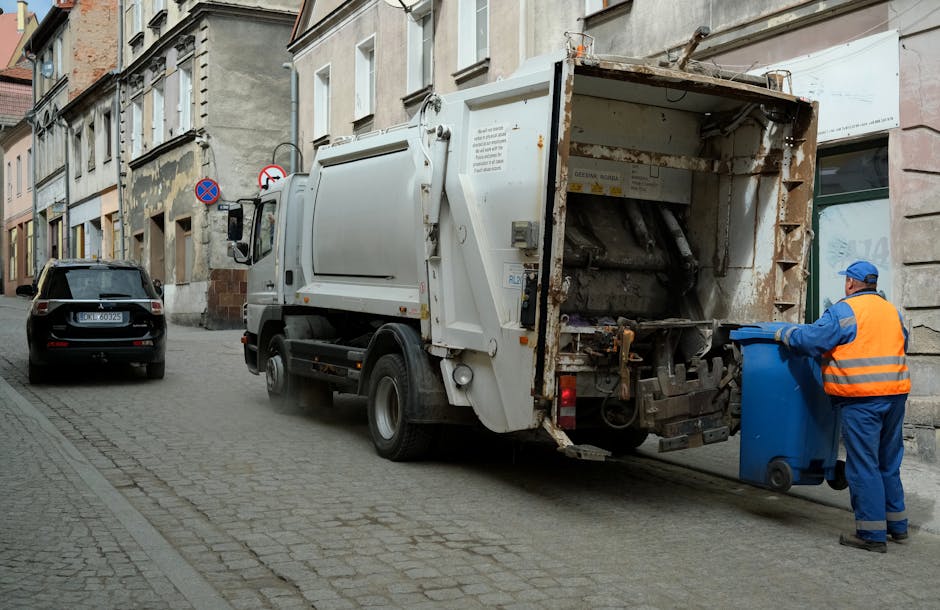
Why Licensed waste carrier advice for Paddington removals Matters
Paddington moves often happen in tight spaces, on tight schedules, and sometimes in buildings where access is not exactly generous. Think top-floor flats, shared entrances, narrow streets, residents coming and going, and time windows that seem to shrink by the hour. In that setting, waste removal is not just an afterthought. It becomes part of the move itself.
A licensed waste carrier is a business or individual legally authorised to transport waste. In simple terms, they are expected to collect, carry, and dispose of waste responsibly. That matters because once your unwanted items leave your property, the duty does not completely vanish into thin air. If waste is later fly-tipped and traced back to you, the consequences can become your problem if you did not use a properly licensed handler.
That is why this topic is more than a technicality. It is about reducing risk, protecting your move-out timeline, and making sure clutter does not turn into a compliance headache. It is also about trust. When you are already juggling packing tape, landlords, keys, boxes, and maybe a van stuck somewhere near Paddington Station, you want a service that does the waste side properly the first time.
For many readers, the best next step is not to overcomplicate it. It is to understand what safe disposal looks like and then choose a service that can actually deliver it. If you are comparing broader help too, it can be useful to look at the wider services overview so you can see how waste support fits into the move rather than treating it as a last-minute add-on.
How Licensed waste carrier advice for Paddington removals Works
The process is fairly straightforward when it is handled properly. First, the removal company assesses what needs to go. That could include general household rubbish, old mattresses, furniture, office clutter, white goods, garden cuttings, or builder's waste from a final refresh before handover. Then they arrange collection, load the waste safely, and take it to the appropriate facility or transfer point.
What makes the service "licensed" is not just the van or the uniform. It is the carrier's authorisation to transport waste and the expectation that the waste will be managed in line with applicable rules and best practice. In practical terms, you should expect the provider to be transparent about how they work, what type of waste they handle, and what happens after collection.
Here is the part many people miss: waste paperwork and traceability matter. If you are a homeowner, tenant, landlord, or business manager, you should know who is collecting your waste and why. A genuine carrier can usually explain the collection process clearly, including any restrictions on hazardous items or materials that need special handling.
In Paddington, that clarity is especially useful because removals often involve mixed loads. A flat clear-out might include old wardrobes, packaging, a broken desk, and a bag of items you meant to donate but never quite got around to sorting. That mix is normal. What matters is that the carrier knows how to separate or direct it appropriately, instead of taking the easy way out and dumping everything together. Nobody wants that story.
If your move also includes property clearance, the distinction between a simple rubbish pick-up and a fuller clear-out becomes important. For example, a full home transition may be better supported by a dedicated house clearance Paddington service, while a work move may suit an office clearance Paddington approach. Matching the job to the right service is part of doing it properly.
Key Benefits and Practical Advantages
Using a licensed waste carrier is not just about staying on the right side of the rules. It also makes the moving process calmer, faster, and cleaner. Which, let's face it, is exactly what most people want when moving in London.
1. Reduced fly-tipping risk
This is the big one. A licensed carrier gives you much better protection against your items being dumped in the wrong place. If a provider cannot explain where waste goes, that is a warning sign. Simple as that.
2. Less stress on moving day
A proper collection can remove one of the last messy jobs from your list. Instead of stacking rubbish by the door or trying to squeeze it into a taxi-sized boot, the waste is handled in one go.
3. Better time management
Paddington removals often run to a schedule. Maybe the landlord wants keys back by noon, or maybe the movers only have a narrow lift booking. Either way, waste collection that slots into the day cleanly can save a lot of pressure.
4. Cleaner handover for tenants and sellers
If you are leaving a property, a tidy final clear-out helps avoid disputes and awkward follow-up messages. You do not want to hear from an agent two days later about an abandoned pile in the hallway.
5. Support for mixed or bulky loads
Some jobs are not just a few bin bags. They are mattresses, sofas, broken shelving, old office chairs, garden debris, and leftover renovation materials. A licensed waste carrier is better placed to deal with mixed loads without turning the process into a guessing game.
6. Better alignment with recycling and sustainability
Responsible waste handling is not only about disposal; it is also about sorting and recovery where possible. If sustainability matters to you, it is worth asking how the carrier approaches recycling. Our recycling and sustainability page is a helpful place to understand the broader approach.
Expert summary: In Paddington removals, the safest choice is usually not the cheapest one on paper. It is the one that can explain licensing, collection methods, disposal routes, and what happens if your load contains awkward items.
Who This Is For and When It Makes Sense
Licensed waste carrier advice is useful for more people than you might think. It is not only for big construction jobs or commercial clearances. In fact, plenty of ordinary domestic moves need it more than they realise.
- Tenants moving out of flats who need to clear old furniture, damaged items, and leftover household rubbish.
- Homeowners getting a property ready for sale or completion.
- Landlords and letting agents dealing with end-of-tenancy waste or abandoned belongings.
- Office managers clearing workstations, chairs, filing, packaging, and obsolete equipment.
- Tradespeople and renovators who need final builder's waste removed quickly.
- People with bulky single items such as mattresses, sofas, wardrobes, or white goods.
It also makes sense if you are under time pressure. A move around Paddington can be affected by access, parking, lift slots, and the simple fact that city logistics are rarely as smooth as the plan on paper. If you need same-day help or you are dealing with one awkward item rather than a full house, a fast, licensed collection can be the difference between a tidy exit and a stressful one. For example, if it is just a mattress you need shifted, the topic gets even more specific - our emergency mattress removal in Paddington guide explores that kind of situation in more detail.
There is also a common local angle here. People living near busy routes or station-adjacent streets often need collections to be quick and contained because parking and access can be awkward. If that sounds familiar, you are not alone. It is a very Paddington problem, really.
Step-by-Step Guidance
If you want to handle waste properly during a Paddington removal, the easiest way is to work through it methodically. No drama, no panic, just a neat sequence.
- List everything that needs removing. Separate general rubbish, furniture, electrical items, garden waste, and construction debris where possible. A quick list on your phone is enough.
- Identify anything sensitive or restricted. Hazardous items, paint, chemicals, and some electrical waste may need special handling. Do not assume everything can go in one pile.
- Choose the right type of service. A single bulky item, a mixed household clear-out, and an office clearance are different jobs. Matching the service to the waste saves time and avoids pricing confusion.
- Check for licensing and transparency. Ask how the carrier manages disposal and whether they can explain the process clearly. If the answer is vague, that is usually enough of an answer.
- Confirm access details. Mention stairs, narrow entrances, loading restrictions, parking difficulties, and lift availability. In Paddington, these details can change the whole job.
- Get the pricing structure clear. Ask what is included, what counts as extra, and whether there are item-based or load-based elements.
- Prepare the waste before collection. Put items together in one accessible place if possible. This saves the crew time and reduces disruption for neighbours.
- Keep a record of the job. Save your booking confirmation and any collection details. That bit of admin is boring, yes, but useful later.
And if the removal forms part of a larger move or property clean-up, it can help to read around the practical side of the process too. A useful local point of reference is the avoiding fly-tipping after a flat clearance in W2 article, because it highlights how one poor decision can create a bigger problem than the original clutter.
One small but important note: do not leave everything to the final hour. The last day before a move has a habit of getting chaotic. Boxes vanish. Tape disappears. Someone says they packed the kettle and then nobody can find the kettle. Waste planning tends to go better when it is sorted a day or two earlier.
Expert Tips for Better Results
A good removal job is often about the small decisions that happen before anyone arrives.
- Ask for clarity on mixed loads. If your waste includes furniture, bags, and small electricals, make sure the carrier is comfortable handling mixed material.
- Take photos before collection. It helps with quoting and avoids disputes about what was agreed.
- Keep pathways clear. Hallways, lifts, and doorways should be free of clutter. It speeds up the job and lowers the chance of damage.
- Separate reusable items if you can. If there is a chance something could be donated, reused, or recycled, set it aside in advance.
- Tell the provider about access realities. A "ground floor" flat can still involve stairs at the entrance, a tight courtyard turn, or a van that cannot park directly outside.
- Book earlier than you think you need to. Especially around weekends, month-end, and busy moving periods. The popular slots go quickly.
There is also a trust-building habit that pays off: ask what happens if the load changes on arrival. Sometimes people underestimate volume. Sometimes the pile grows after a final cupboard sweep. A decent carrier should explain how adjustments are handled before collection starts, not after the van is already half full.
If cost is on your mind - and of course it usually is - then it is worth understanding the broader pricing context too. This local guide on bulky waste charges in Paddington is useful for making sense of the sort of factors that affect removal costs.

Common Mistakes to Avoid
Most problems in waste removal are preventable. The frustrating part is that they are usually preventable in very ordinary ways.
Using an unlicensed collector because the quote looks cheaper
This is the classic trap. Cheap can look attractive, especially when the move is already expensive, but an unrealistically low quote can hide poor disposal practices. You do not want your waste becoming someone else's roadside headache.
Not asking what the service includes
Some people assume the quote covers everything. Then the job arrives, and suddenly stairs, heavy items, or extra volume become chargeable. Always ask what is included before you confirm.
Leaving the waste in a hard-to-access spot
If your items are in a basement, loft, or behind a blocked doorway, say so in advance. A "quick job" turns into a longer one very fast when access is poor.
Mixing restricted items with general rubbish
Paint tins, chemicals, certain electricals, and similar materials may need separate handling. It sounds obvious, but people forget. They always forget, usually at the worst moment.
Failing to keep evidence of the collection
Save your booking details. It is simple housekeeping, and if any issue comes up later, you will be glad you did.
Leaving waste for the final moving hour
This one causes avoidable chaos. If the schedule slips, waste stays behind, and everyone gets grumpy. Not ideal.
Paddington is a place where one small delay can ripple through the whole day. A blocked entrance, a late mover, or a parking problem near a busy street can all have a knock-on effect. If you want to understand the local service realities a bit better, a look at the clearance delays near Paddington Station guide can be surprisingly useful.
Tools, Resources and Recommendations
You do not need a complicated toolkit to manage a removal well. What you need is a few simple habits and the right local references.
- Phone camera for photographing the waste before collection.
- Short written inventory of what is being removed.
- Labels or tape for separating keep, donate, recycle, and remove piles.
- Access notes for stairs, lifts, loading points, and parking constraints.
- Packaging supplies if you are sorting items before collection.
On the information side, there are a few website pages that are genuinely useful when planning a move or clearance. The pricing and quotes page helps set expectations, while the insurance and safety information is a sensible read if you want reassurance about how collections should be handled. If you are comparing company standards and values, the about us page can also help you get a feel for the team behind the service.
For people who care about responsible disposal, a little extra attention goes a long way. Ask whether reusable items can be separated. Ask whether anything will be recycled. Ask what happens to mixed loads. A trustworthy provider should not get annoyed by those questions. In fact, if they do, that is informative in itself.
Law, Compliance, Standards, or Best Practice
Without turning this into a legal lecture, there are a few common-sense compliance points worth knowing.
First, you should only use a waste carrier who is properly authorised to transport waste. That is the basic principle behind licensed waste carrier advice for Paddington removals. Second, you should not hand your rubbish to someone who cannot explain what happens next. Third, keep a sensible record of who collected it and when.
In the UK, waste handling is taken seriously because irresponsible disposal can lead to environmental harm and community nuisance. Fly-tipping is not just unsightly; it creates cleanup costs, frustration for residents, and real enforcement concerns. If a service seems casual about where waste goes, treat that as a red flag.
Best practice also means matching the waste type to the right method of removal. Garden clearances, builder's waste, office disposals, and domestic clear-outs are all related, but they are not identical. That is why a service like builders waste disposal Paddington may be a better fit for renovation debris, while garden waste removal Paddington is more sensible for cuttings and green material.
It is also worth remembering that local conditions matter. In central London, vehicle access, loading rules, and timing are often just as important as the waste itself. So yes, compliance is about licensing, but in practice it is also about planning, communication, and not making a simple collection harder than it needs to be.
Options, Methods, or Comparison Table
If you are deciding how to handle removal waste in Paddington, it helps to compare the common routes. The best option depends on time, volume, access, and how hands-on you want to be.
| Option | Best for | Pros | Watch-outs |
|---|---|---|---|
| Licensed waste carrier collection | Mixed loads, bulky items, time-sensitive removals | Fast, convenient, lower fly-tipping risk, less manual work | Check licensing, access details, and what is included |
| Self-haul to disposal facility | Small loads and people with time, transport, and lifting ability | Can be direct if you already have a suitable vehicle | Time-consuming, physically demanding, and easy to underestimate |
| Skip hire | Longer projects, repetitive waste over several days | Flexible for ongoing work | Space, permit, and loading constraints can be awkward in Paddington |
| Local council collection | Specific bulky items and non-urgent clearances | Useful for some households, often straightforward | Scheduling and item restrictions may limit suitability |
If you are unsure which path suits your move, ask yourself one thing: do you want the waste problem to disappear quickly, or do you have the time and physical capacity to manage it yourself? Most people in Paddington, especially during an already crowded moving week, prefer the first answer.
For skip-related decisions, there is a helpful local article on whether you need a permit for skip hire in Paddington W2. That can save you from making assumptions about street placement and permissions.
Case Study or Real-World Example
Picture a couple moving out of a one-bedroom flat near Little Venice. They have a sofa they cannot take, a broken shelving unit, two bags of old clothes, a mattress, and a pile of packaging from the final week of sorting. Nothing dramatic. Just the usual mix.
At first, they think they can handle it themselves. Then they realise the lift is booked, parking is awkward, and the mattress will not fit in the car they hired because it is already packed with boxes. That is the moment when licensed waste carrier support stops being a nice-to-have and becomes the sensible choice.
They book a collection, share photos, explain access, and separate a few reusable items in advance. On the day, the crew arrives, clears the items efficiently, and leaves the flat ready for handover. No last-minute panic. No leftover pile in the hallway. No awkward chat with the landlord later.
Was the job glamorous? Not even slightly. But it was smooth. And in removals, smooth is gold.
A similar pattern happens in office moves. A small team might be clearing monitors, chairs, stationery, and old files before handing back a workspace. A licensed carrier can keep the process contained and avoid the common mistake of treating office waste like random household clutter. If you are dealing with work premises, the broader office clearance Paddington approach is usually the neatest fit.
Practical Checklist
Use this checklist before you book or confirm a waste removal for your Paddington move.
- List every item or group of items that needs removing.
- Separate general waste from furniture, electricals, and special items.
- Take quick photos of the load.
- Confirm access details: stairs, lifts, parking, and loading points.
- Ask whether the carrier is licensed and how waste is handled.
- Clarify what is included in the quote.
- Ask about any restrictions on hazardous or unusual items.
- Prepare items in one accessible place if possible.
- Keep your booking details and any confirmation message.
- Check whether anything can be reused or recycled before removal.
Quick takeaway: if the provider is transparent, the access is clear, and your waste is sorted sensibly, the whole process becomes much easier. That is really the heart of it.
Conclusion
Licensed waste carrier advice for Paddington removals comes down to one simple idea: do not leave disposal to chance. The right provider helps you stay compliant, avoid fly-tipping risks, reduce moving-day pressure, and get your property ready for handover without a mess hanging over you.
Paddington moves can be busy, narrow, and time-sensitive. That is exactly why a clear, licensed approach matters. If you plan ahead, ask the right questions, and choose a service that treats waste properly, you will save yourself a lot of hassle. And honestly, the relief of seeing that last pile disappear is hard to beat.
If you are still comparing options, it can help to read a little more about the company, the pricing structure, and the way collections are handled so you know what you are paying for before the van even arrives.
Get a free quote today and see how much you can save.
At the end of the day, a tidy move is a calmer move. That little bit of order goes a long way.

 Tipper Van - Rubbish Disposal and Rubbish Removal Prices in Paddington, W2
 Luton Van - Rubbish Disposal and Rubbish Removal Prices in Paddington, W2