W2 bulky waste guide: Sussex Gardens clearance tips
Posted on 28/04/2026
If you are dealing with bulky waste in W2, Sussex Gardens can present a very particular set of challenges: tight access, shared entrances, limited waiting space, and the simple reality that large items are awkward in a busy residential area. This guide to W2 bulky waste guide: Sussex Gardens clearance tips breaks down what to do, what to avoid, and how to plan a smooth clearance without turning your hallway, pavement, or schedule into a headache. Whether you are clearing a flat, managing an end-of-tenancy clean-out, or disposing of old furniture after a refurbishment, the right approach saves time, reduces stress, and helps you stay on the right side of local expectations.
For readers who want broader service context as well, it can help to review the site's services overview and the dedicated waste removal support in Paddington. If you are comparing options, the practical detail in this article should help you decide what type of clearance is actually needed before you book anything.
Why W2 bulky waste guide: Sussex Gardens clearance tips Matters
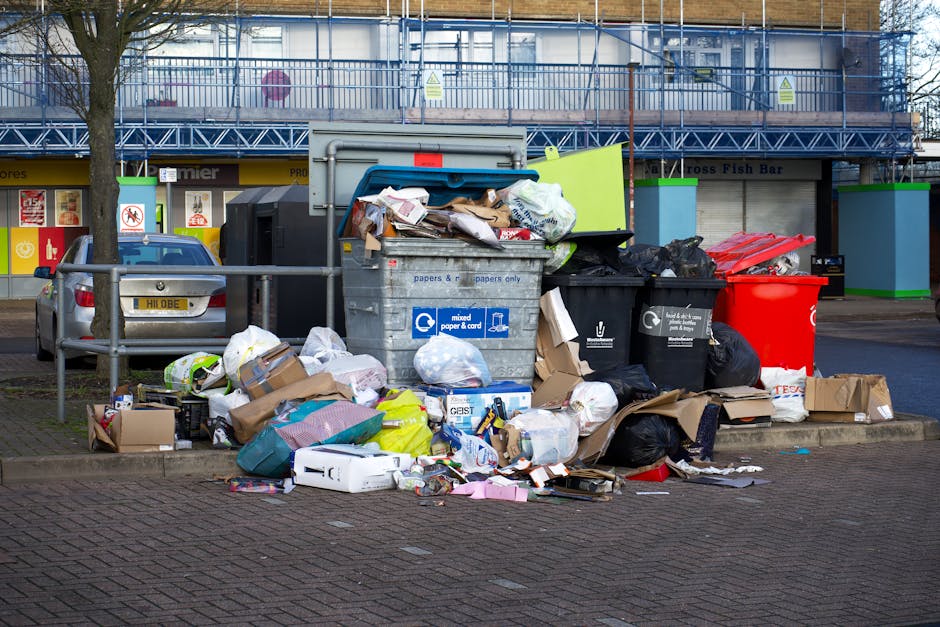
Bulky waste is not just "more rubbish". It usually means items that are too large, heavy, or awkward for normal household bins and routine collection. Think wardrobes, sofas, mattresses, desk units, broken cabinets, exercise equipment, and renovation leftovers that cannot be bagged neatly and left out with general waste.
In Sussex Gardens, this matters even more because the local environment often demands better planning than a typical suburban collection. Narrow access points, basement flats, shared stairs, porters' arrangements, and time-sensitive building rules all influence how a clearance should be handled. A bulky waste job that looks simple on paper can become messy very quickly if the route out of the property is not thought through in advance.
That is the main reason this guide exists: to help you clear bulky items efficiently, safely, and with less disruption. It is not only about getting rid of things. It is about making the process manageable for residents, landlords, agents, and small businesses who need a practical solution.
For anyone new to the area, the local context also helps. The site's locals' perspective on living in Paddington offers useful background on the pace and character of the neighbourhood, while this Paddington area guide gives a broader sense of the district and its transport-led, high-density layout.
Expert summary: The best bulky waste clearances in Sussex Gardens are the ones planned around access, item size, timing, and disposal method before the lifting starts.
How W2 bulky waste guide: Sussex Gardens clearance tips Works
The process is straightforward when broken into stages. First, identify the items that need to go. Then decide whether they can be dismantled, reused, recycled, or removed as a full bulky collection. After that, assess the access route: stairs, lifts, door widths, hallway corners, and where the vehicle can safely stop.
In practical terms, a bulky waste clearance usually follows this pattern:
- Survey the items. Note dimensions, weight, material type, and whether anything is hazardous or electrical.
- Check access. Measure the tightest points between the item and the exit, including stair turns and communal entrances.
- Separate useful materials. Some items can be reused, donated, or recycled rather than treated as mixed waste.
- Choose the right collection method. A single large item, a flat clearance, or renovation debris each need a different approach.
- Prepare the property. Clear paths, protect flooring if needed, and make sure doors and lifts can be used safely.
- Load and remove efficiently. The aim is a short, tidy collection that avoids damage or unnecessary delays.
That process sounds simple, but the local detail matters. A sofa removal from a ground-floor property near Sussex Gardens is not the same as clearing a top-floor flat with a tight staircase and no lift. If your clearance involves renovation offcuts, you may also want to explore the dedicated builders' waste disposal service because mixed construction waste is handled differently from household bulky waste.
Likewise, if your project is actually a full property reset rather than a few stray items, house clearance in Paddington may be the more sensible route. One size rarely fits all here, and that is a good thing.
Key Benefits and Practical Advantages
Getting bulky waste removed properly offers more than just a cleaner space. The real value is in reduced friction. You avoid the pile-up that happens when old furniture, damaged appliances, and packaging sit around for weeks because nobody has set aside the time or equipment to deal with them.
Some of the biggest advantages are easy to overlook:
- Faster turnaround. A planned collection can often clear a room in one visit rather than dragging the job out for days.
- Less risk of damage. Moving large items carefully through narrow areas is safer for walls, bannisters, floors, and communal entrances.
- Better recycling outcomes. Separating wood, metal, textiles, and electricals gives more items a chance to be recovered responsibly.
- Lower stress. When there is a fixed plan, you do not have to improvise while holding a mattress halfway down the staircase.
- Better neighbour relations. Quiet, tidy, time-conscious work matters in shared buildings and busy streets.
There is also a commercial benefit. Landlords preparing for new tenants, agents getting a property market-ready, and offices clearing surplus furniture all gain from a coordinated disposal plan. If you are dealing with a workspace rather than a home, the site's office clearance service is worth reviewing alongside your wider removal options.
For many people, the hidden win is mental clarity. A room feels different once the old bulky clutter is gone. It becomes usable again, and that is often the point where the rest of the project finally starts moving.
Who This Is For and When It Makes Sense
This guide is useful for anyone who has more than a bin-bag problem. In Sussex Gardens, that often includes:
- tenants at the end of a tenancy
- landlords preparing a flat for re-letting
- estate agents organising pre-sale presentation
- families clearing inherited items
- homeowners replacing furniture or appliances
- small businesses removing surplus office contents
- builders and decorators left with leftover materials
It makes sense to arrange bulky waste removal when the job is too large for regular disposal, too urgent to leave, or too awkward to do safely without help. A common example is a flat that has two wardrobes, a broken bed base, and a mattress waiting in a narrow hall. Individually those items are manageable. Together they become a route-planning problem.
It also makes sense when timing is tight. If you are between tenancies, finishing a refurbishment, or preparing for a move, delays tend to snowball. Old furniture in the way slows painting, cleaning, and staging. If you are trying to present a property well, you will feel that immediately.
For readers who are weighing the local area and property context, the site's Paddington house buying guide and Paddington real estate investment insights show why presentation and timing matter so much in this part of London.
Step-by-Step Guidance
Here is a practical approach that works well for Sussex Gardens clearances. It is simple, but each step saves hassle later.
1. Identify exactly what needs to go
List each item. Not just "old furniture" but "two-seater sofa," "metal filing cabinet," "broken wardrobe," and "lamp table." The clearer the list, the better the planning. Mixed items often create surprises, especially when something heavier or more awkward is hiding behind an easier piece.
2. Decide what can be reused or recycled
Some items are not waste at all. A usable chair, intact shelving, or working appliances may be suitable for reuse. Even damaged items can sometimes be broken down into recyclable components. This is where a responsible clearance approach becomes more efficient and more environmentally sensible.
If sustainability matters to you, the site's recycling and sustainability information is a useful companion read.
3. Measure access carefully
This step is often skipped, and it is the one that saves the most trouble. Measure the item and the route out: doorways, corridor turns, stair landings, lift size, and any exterior restrictions. In older buildings, the widest-looking route is not always the easiest route. Tight corners can be the real obstacle.
4. Clear the path in advance
Move small items, shoes, rugs, bins, and loose clutter out of the way. If possible, protect sensitive flooring and make sure communal areas are not blocked. A little preparation can prevent a lot of slow, careful manoeuvring later.
5. Group items by type
Put wood, metal, textiles, electricals, and general bulky items into separate groups if possible. This is not just neatness for its own sake; it helps with loading, sorting, and disposal decisions. The cleaner the grouping, the easier the disposal stream.
6. Choose the right service level
For a few pieces of bulky waste, a standard collection may be enough. For a full property clear-out, use a more comprehensive service. For trade debris, choose a disposal route designed for builders' waste. Matching the method to the load avoids unnecessary cost and confusion.
7. Confirm timing and access arrangements
In Sussex Gardens, timing matters almost as much as the waste itself. If there are concierge procedures, permit restrictions, or scheduled delivery windows, make sure those are handled before the collection day. Nothing is more irritating than having the items ready and then discovering the lift is booked.
Expert Tips for Better Results
A good bulky waste clearance is rarely about brute force. It is usually about preparation, judgement, and avoiding the obvious mistakes. A few practical tips make a noticeable difference.
- Dismantle what you safely can. A wardrobe taken apart into panels is usually easier to remove than one stubborn lump.
- Remove drawers and shelves. This reduces weight and makes awkward items easier to carry.
- Use blankets or corner protection. Useful in properties with painted walls, narrow stairs, or polished surfaces.
- Keep screws and fittings together. If an item might be reused or reassembled, bag the fixings and label them.
- Prioritise the heaviest items first. That usually gives the quickest visual progress and clears the most difficult part of the job.
- Check electricals separately. Fridges, freezers, TVs, and similar items may need special handling, so do not assume they are treated like ordinary furniture.
One useful rule of thumb: if an item takes two people to move safely, plan for more than one person and more than one trip. That sounds obvious, but the number of people who try to wrestle a sofa through a hallway solo is, frankly, still too high.
If you want a service that prioritises safe handling as well as practical removal, take a look at the site's insurance and safety information before you book.
Practical takeaway: The best clearance outcome usually comes from making the load easier before it reaches the vehicle.

Common Mistakes to Avoid
Most bulky waste problems start small. Someone leaves items in a corner "for now." Then the deadline shifts. Then access becomes tighter. Then the job becomes more expensive and more annoying than it needed to be.
Here are the mistakes worth avoiding:
- Waiting until the last minute. Tight schedules lead to rushed decisions and poor sorting.
- Assuming every item is the same. A sofa, a mattress, and a filing cabinet behave very differently during removal.
- Ignoring access realities. If the item will not fit, no amount of optimism changes the dimensions.
- Mixing waste types carelessly. Construction debris, electrical items, and household junk should not all be treated the same way.
- Forgetting building rules. Shared properties often have quiet hours, lift procedures, or concierge instructions that matter.
- Overloading a small vehicle or doing too many trips. This wastes time and increases the chance of damage or injury.
Another subtle mistake is underestimating how much non-bulky clutter comes with bulky waste. A wardrobe clearance can reveal bags of clothes, broken hangers, old boxes, and spare fittings. That is why many people find it helpful to combine a specific bulky item removal with a broader rubbish collection service in Paddington when the job is not neatly contained.
Tools, Resources and Recommendations
You do not need specialised equipment for every clearance, but the right basic tools can make the work cleaner and safer. If you are preparing the property yourself, consider the following:
- Measuring tape for doors, corridors, stairs, and item dimensions
- Work gloves to improve grip and reduce minor knocks
- Blankets or protective sheets for floors and corners
- Basic screwdriver set for dismantling furniture
- Marker pens and labels for fixings and item sorting
- Sturdy bags or boxes for smaller loose parts
From a planning perspective, the most useful resources are usually the service pages that clarify what the provider actually handles. A clear overview helps you avoid booking the wrong solution for the wrong waste. If you are uncertain, the broader services overview and the local Praed Street rubbish collection guide can help you compare approaches in the same Paddington area.
When comparing providers or service options, ask practical questions rather than generic ones. For example:
- Will you handle heavy items from inside the property?
- Do you sort recyclable materials separately?
- What happens if access is tighter than expected?
- Can you manage mixed household and light trade waste?
- Do you provide written terms and clear pricing information?
Those questions sound simple because they are. Simplicity is useful here.
Law, Compliance, Standards, or Best Practice
Bulky waste disposal in the UK should be handled responsibly, and residents should be cautious about fly-tipping, unsafe lifting, and unclear disposal arrangements. While the exact rules can vary depending on the waste type and local arrangements, the safest general principle is this: use a legitimate disposal route, know what you are handing over, and avoid leaving waste where it could create a nuisance or hazard.
A few best-practice points are worth keeping in mind:
- Do not assume every item can go in the same load. Electrical items and certain materials may need separate treatment.
- Check with your building management if relevant. Shared properties often have their own rules about waste movement and collection times.
- Keep a record of what is removed if needed. This is especially helpful for landlords, agents, and businesses.
- Use a service that is transparent about pricing and terms. Clear expectations reduce disputes and delays.
- Prioritise safe manual handling. If something is too heavy or awkward, do not force it through a tight route.
For service transparency and customer-facing details, it is sensible to review the site's pricing and quotes page, along with its terms and conditions. If payment reassurance matters to you, the payment and security information is also worth a glance.
In short, compliant disposal is not just about avoiding trouble. It is about keeping the process orderly and professionally handled. That tends to produce the best outcome anyway.
Options, Methods, or Comparison Table
Different situations call for different removal methods. Here is a simple comparison to help you decide which route is likely to suit your Sussex Gardens clearance.
| Option | Best for | Strengths | Watch-outs |
|---|---|---|---|
| Single-item bulky collection | One or two large items such as a sofa or mattress | Quick, focused, efficient | Not ideal for mixed or high-volume clearances |
| Full house clearance | End-of-tenancy, probate, renovation, or major declutter | Comprehensive, saves time, covers more waste types | Needs more planning and clearer item sorting |
| Rubbish collection | Mixed household waste and smaller load-ups | Flexible and practical for general clean-outs | May not suit very heavy or awkward items alone |
| Builders' waste disposal | Post-refurbishment or trade debris | Designed for rubble, offcuts, and construction material | Not the right choice for upholstered furniture or mixed household contents |
| Office clearance | Furniture and surplus equipment from workspaces | Good for desks, chairs, filing units, and stock | May require more detailed access coordination |
If you are not sure which route fits, start with the most specific description of your waste, not the broadest one. That tiny decision prevents a lot of mismatch later.
Case Study or Real-World Example
Consider a typical Sussex Gardens flat clearance scenario. A tenant is moving out at short notice and needs to remove a bed frame, mattress, wardrobe, desk, and a few bags of mixed clutter. At first glance, it seems manageable. But the property is on an upper floor, the hallway is tight, and the wardrobe is too wide to turn cleanly without dismantling.
The practical solution is simple. The team or resident first separates the items into categories: furniture, soft furnishings, and loose household waste. The wardrobe is dismantled, the drawers are removed, and the route out is cleared before lifting begins. The mattress is wrapped or carried in a way that protects walls and corners. Smaller items are moved first so the exit path stays open. The result is a faster, cleaner removal with less chance of damaging shared areas.
Now compare that with a rushed version of the same job. The items are left until the final evening. Nobody checks the route. The wardrobe catches on the corner, the hallway gets blocked, and everyone becomes frustrated. Same load, very different experience.
This is why local planning matters so much. If you are getting ready for move-out, handover, or refurbishment, a bit of order at the start can save a surprising amount of effort by the end.
For readers who want to understand the wider neighbourhood context around property movement and change, the site's Paddington venue guide is a lighter but still locally relevant look at how active the area can be.
Practical Checklist
Use this checklist before any Sussex Gardens bulky waste clearance:
- List all items clearly
- Measure the largest item and the narrowest route
- Check for stairs, lifts, and access restrictions
- Separate reusable or recyclable items where possible
- Dismantle furniture only if it is safe to do so
- Remove drawers, loose shelves, and fittings
- Protect flooring and corners if needed
- Confirm collection timing and building access rules
- Identify any electrical or special waste items
- Keep important documents, valuables, and personal items out of the clearance zone
- Review pricing, terms, and payment details before booking
- Arrange extra help for heavy or awkward pieces
If you can tick most of those off, the clearance will usually feel far easier than it first appeared.
Conclusion
Bulk waste in Sussex Gardens is rarely just about disposal. It is about access, timing, safety, and choosing the right method for the items you actually have. Once you approach the job that way, it becomes much easier to plan and much less likely to go wrong.
The main lesson from this W2 bulky waste guide: Sussex Gardens clearance tips is straightforward: measure first, sort second, and remove in the most practical order. That alone can save time, reduce damage, and make the whole process more manageable for everyone involved.
If you are clearing a flat, refreshing a property, or dealing with leftover bulky items in Paddington, a well-planned service is usually the calmest route. You do not need drama. You need a clear plan and a clean exit.
Get a free quote today and see how much you can save.
 Tipper Van - Rubbish Disposal and Rubbish Removal Prices in Paddington, W2
 Luton Van - Rubbish Disposal and Rubbish Removal Prices in Paddington, W2